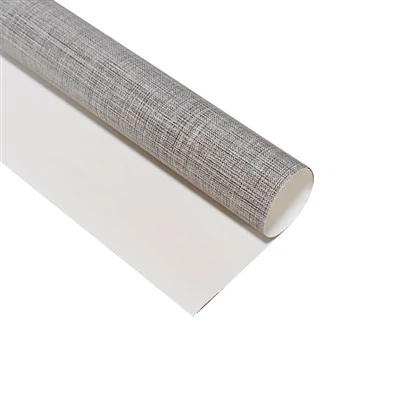
Can a moisture - proof board be used outdoors?
As a supplier of moisture - proof boards, I often receive inquiries from customers about the suitability of our products for outdoor use. This is a crucial question, as the outdoor environment presents unique challenges that can significantly impact the performance and longevity of building materials. In this blog post, I will delve into the factors to consider when determining whether a moisture - proof board can be used outdoors, and provide insights based on our expertise in the industry.
Understanding Moisture - Proof Boards
Moisture - proof boards are designed to resist the penetration of water and moisture, making them a popular choice for areas prone to high humidity or occasional water exposure, such as bathrooms, kitchens, and basements. These boards are typically treated with special chemicals or coatings that enhance their water - repellent properties.
There are different types of moisture - proof boards available in the market, each with its own characteristics and applications. For example, our Low - density Carbon Crystal Plate is known for its lightweight and good insulation properties, while the Lightweight Strand Board offers high strength and durability. The High - density Carbon Crystal Board is another option that provides excellent resistance to wear and tear.
Factors Affecting the Use of Moisture - Proof Boards Outdoors
1. Weather Conditions
The outdoor environment is subject to a wide range of weather conditions, including rain, snow, sunlight, and extreme temperatures. Rain and snow can directly expose the board to water, while sunlight can cause the board to expand and contract due to temperature changes. Extreme cold or heat can also affect the chemical composition of the board, potentially reducing its moisture - proof capabilities.
For instance, in regions with heavy rainfall, the board needs to be able to withstand continuous water exposure without warping or delaminating. In areas with high sunlight intensity, the board should resist UV radiation to prevent discoloration and degradation.
2. Moisture Levels
Even in the absence of direct precipitation, the outdoor air can contain varying levels of moisture. High humidity can cause the board to absorb moisture over time, leading to swelling and a decrease in structural integrity. Additionally, condensation can form on the surface of the board, especially during temperature fluctuations, further increasing the risk of moisture damage.
3. Ground Contact
If the moisture - proof board is in contact with the ground, it is more likely to be exposed to soil moisture. The soil can act as a reservoir of water, and capillary action can draw moisture up into the board. This is particularly problematic for boards that are not specifically designed for ground contact, as it can lead to rot and decay.
4. Chemical Exposure
Outdoor environments may expose the board to various chemicals, such as pollutants, fertilizers, and pesticides. These chemicals can react with the moisture - proof coating on the board, potentially compromising its effectiveness. For example, acidic pollutants in the air can corrode the protective layer of the board, making it more vulnerable to moisture penetration.
Advantages of Using Moisture - Proof Boards Outdoors
Despite the challenges, there are some advantages to using moisture - proof boards outdoors. Firstly, they can provide a cost - effective alternative to more expensive outdoor - specific materials. Moisture - proof boards are generally more affordable than materials like treated wood or composite decking, making them an attractive option for budget - conscious projects.
Secondly, moisture - proof boards can be easily cut and shaped, allowing for greater flexibility in design. This is particularly useful for custom outdoor projects, such as building pergolas, sheds, or outdoor furniture.
Limitations of Using Moisture - Proof Boards Outdoors
However, it is important to recognize the limitations of using moisture - proof boards outdoors. As mentioned earlier, the outdoor environment can be harsh, and over time, the board may experience wear and tear. The moisture - proof coating may degrade, reducing its ability to protect the board from water damage.
In addition, some moisture - proof boards may not be as aesthetically pleasing as traditional outdoor materials. They may lack the natural look and texture of wood, which can be a drawback for some customers.
Precautions and Best Practices
If you decide to use a moisture - proof board outdoors, there are several precautions and best practices that you should follow to ensure its longevity and performance.
1. Proper Installation
Ensure that the board is installed correctly, following the manufacturer's guidelines. This includes using the appropriate fasteners and ensuring proper ventilation to prevent moisture buildup.
2. Sealing and Coating
Apply a high - quality outdoor sealant or coating to the board to enhance its moisture - proof properties. This can help to protect the board from UV radiation, water, and chemical exposure.
3. Regular Maintenance
Regularly inspect the board for signs of damage or wear. Clean the board periodically to remove dirt, debris, and any chemicals that may have accumulated on its surface. If any damage is detected, repair it promptly to prevent further deterioration.
Conclusion
In conclusion, while a moisture - proof board can be used outdoors, it is essential to consider the specific outdoor conditions and take appropriate precautions. Our company offers a range of moisture - proof boards, including the Low - density Carbon Crystal Plate, Lightweight Strand Board, and High - density Carbon Crystal Board, which can be suitable for outdoor applications with proper planning and maintenance.


If you are considering using a moisture - proof board for your outdoor project, we encourage you to contact us for more information. Our team of experts can provide you with detailed product specifications and advice on the best solution for your specific needs. We look forward to discussing your requirements and helping you make an informed decision for your outdoor building project.
References
- Building Materials Handbook: A Guide to the Properties and Uses of Construction Materials
- Outdoor Building Construction Standards and Regulations
- Studies on the Durability of Moisture - Resistant Boards in Outdoor Environments