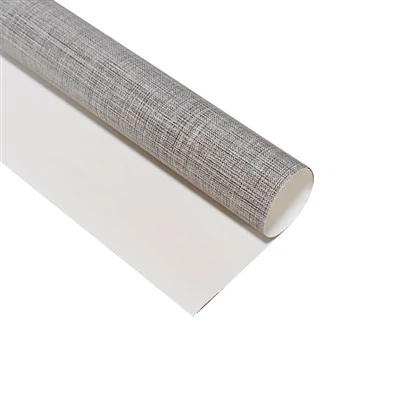
As a supplier of Incense Cedar Eco - Friendly Board, I often get asked whether this board can be cut easily. In this blog post, I'll delve into the characteristics of Incense Cedar Eco - Friendly Board and explore its cutting ease from multiple perspectives.
Characteristics of Incense Cedar Eco - Friendly Board
Incense Cedar Eco - Friendly Board is a high - quality construction and decoration material. It is made from natural incense cedar, which is known for its straight grain and relatively uniform texture. This natural feature gives the board a certain degree of predictability in terms of its mechanical properties.
One of the key selling points of this board is its environmental friendliness. It adheres to strict environmental standards, using non - toxic adhesives and coatings. This not only makes it safe for indoor use but also aligns with the growing global trend towards sustainable building materials.
Factors Affecting Cutting Ease
Wood Density
The density of Incense Cedar is relatively moderate. Compared to some hardwoods with extremely high density, such as teak or oak, incense cedar is less dense. A lower density generally means that less force is required to cut through the material. When using cutting tools like saws, the blade can penetrate the board more smoothly, reducing the wear and tear on the tool and making the cutting process quicker.
Grain Structure
The straight and even grain of incense cedar plays a significant role in its cutting ease. When cutting along the grain (rip - cutting), the saw blade follows the natural alignment of the wood fibers, resulting in a clean and smooth cut. Cross - cutting, which is cutting against the grain, can be a bit more challenging, but the relatively uniform grain of incense cedar still allows for a reasonably good cut compared to woods with irregular or interlocked grains.


Moisture Content
The moisture content of the Incense Cedar Eco - Friendly Board also affects its cutting. A board with an appropriate moisture content (usually around 12% - 18% for most indoor applications) is easier to cut. If the board is too dry, it may become brittle and prone to splintering during cutting. On the other hand, if it is too moist, the wood fibers can be more difficult to separate cleanly, leading to a rougher cut surface.
Cutting Tools and Techniques
Saws
- Circular Saw: A circular saw is a popular choice for cutting Incense Cedar Eco - Friendly Board. With a sharp blade designed for wood cutting, it can make quick and straight cuts. For rip - cutting, a blade with fewer teeth (e.g., 24 - 30 teeth) is often sufficient as it can remove material quickly. For cross - cutting, a blade with more teeth (e.g., 40 - 80 teeth) will provide a smoother cut surface.
- Jigsaw: A jigsaw is ideal for making curved or irregular cuts. It can easily maneuver around different shapes and is suitable for creating decorative elements or custom - sized pieces from the Incense Cedar board.
- Table Saw: A table saw offers high precision for both rip and cross - cuts. It provides a stable platform and allows for accurate adjustments of the cutting depth and angle. When using a table saw, it is important to ensure that the blade is sharp and properly aligned to achieve the best results.
Cutting Techniques
- Proper Support: When cutting the Incense Cedar board, it is crucial to provide adequate support. This prevents the board from vibrating or flexing during the cutting process, which can lead to uneven cuts or damage to the board. For large pieces, using sawhorses or a workbench with a flat surface is recommended.
- Slow and Steady: Applying a slow and steady pressure when cutting helps to maintain control and achieve a clean cut. Rushing the cutting process can cause the blade to bind or create rough edges.
Comparison with Other Eco - Friendly Boards
Let's compare Incense Cedar Eco - Friendly Board with Malacca Eco - Friendly Board and Golden Cedar Eco - Friendly Board.
Malacca Eco - Friendly Board is typically softer than Incense Cedar. It is easier to cut, but it may also be more prone to dents and scratches. The cutting process for Malacca board is generally quicker, but the finished edges may require more careful sanding to achieve a smooth finish.
Golden Cedar Eco - Friendly Board has a similar density and grain structure to Incense Cedar in some aspects. However, the specific cutting ease can vary depending on the source and processing of the wood. In general, both Incense Cedar and Golden Cedar offer good cutting performance, but Incense Cedar's relatively more consistent grain can sometimes give it an edge in achieving a cleaner cut.
Practical Applications and Cutting Requirements
In various construction and decoration projects, the cutting requirements of Incense Cedar Eco - Friendly Board can differ.
Furniture Making
In furniture making, precise cuts are essential. Whether it's cutting the legs, frames, or panels of a piece of furniture, the ability to make clean and accurate cuts is crucial. Incense Cedar's cutting ease allows furniture makers to create intricate designs and joinery with relative ease. For example, when making dovetail joints, the smooth cutting of the board ensures a tight and seamless fit.
Interior Decoration
In interior decoration, Incense Cedar board is often used for wall paneling, ceiling installation, and decorative moldings. Cutting the board to fit different spaces and shapes is a common task. The ease of cutting makes it possible to create custom - sized panels and moldings on - site, reducing waste and ensuring a perfect fit for the project.
Conclusion
In conclusion, Incense Cedar Eco - Friendly Board can generally be cut easily. Its moderate density, straight grain, and appropriate moisture content make it a favorable material for a variety of cutting tools and techniques. Whether you are a professional carpenter or a DIY enthusiast, you can expect a relatively smooth cutting experience when working with this board.
If you are interested in our Incense Cedar Eco - Friendly Board or want to discuss your specific project requirements, please don't hesitate to reach out. We are more than happy to provide you with detailed product information and support your procurement needs.
References
- Wood Handbook: Wood as an Engineering Material. Forest Products Laboratory. U.S. Department of Agriculture, Forest Service.
- "Properties of Cedar Wood" by various forestry research institutions.