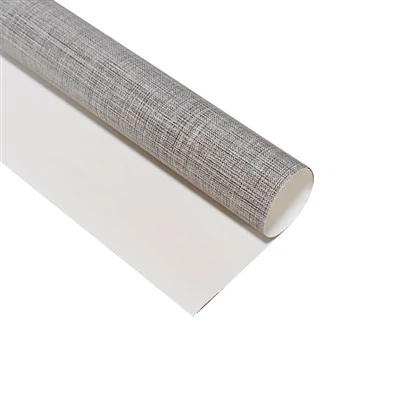
As a supplier of low density board, I often receive inquiries from customers about the suitability of our products in humid environments. This is a crucial question, as the performance of low density board in such conditions can significantly impact its application and longevity. In this blog, I will delve into the characteristics of low density board and explore whether it can be used in humid environments.


Understanding Low Density Board
Low density board, also known as low density fiberboard (LDF), is a type of engineered wood product made from wood fibers, resins, and waxes. It is typically manufactured by compressing wood fibers under high pressure and heat, resulting in a board with a relatively low density compared to other wood-based panels. Low density board is known for its affordability, versatility, and ease of processing, making it a popular choice for a wide range of applications, including furniture, cabinetry, and interior decoration.
Properties of Low Density Board
One of the key properties of low density board is its porosity. Due to its low density, the board has a relatively high porosity, which means it can absorb and retain moisture more easily than denser materials. This can be both an advantage and a disadvantage, depending on the application. On one hand, the porosity of low density board allows it to be more easily painted, stained, or finished, as the surface can absorb the coating materials more effectively. On the other hand, the high porosity also makes the board more susceptible to moisture damage, such as swelling, warping, and delamination.
Another important property of low density board is its strength. While low density board is not as strong as high density fiberboard or plywood, it still has sufficient strength for many applications. However, its strength can be significantly reduced when exposed to moisture, as the wood fibers can become weakened and lose their structural integrity. This is why it is important to consider the moisture conditions when using low density board in a particular application.
Using Low Density Board in Humid Environments
So, can low density board be used in humid environments? The answer is not a simple yes or no. It depends on several factors, including the level of humidity, the duration of exposure, and the specific application.
In general, low density board is not recommended for use in areas with high humidity levels, such as bathrooms, kitchens, or basements. The high moisture content in these environments can cause the board to swell, warp, and delaminate, leading to structural damage and a shortened lifespan. However, if the board is properly sealed and protected, it can be used in these areas with some precautions.
For example, if you are using low density board in a bathroom, you can apply a waterproof sealant to the surface of the board to prevent moisture from penetrating. You can also use a vapor barrier behind the board to further protect it from moisture. Additionally, you should ensure that the board is properly ventilated to allow any moisture that does penetrate to evaporate.
In less humid environments, such as living rooms or bedrooms, low density board can be used more freely. However, it is still important to take some precautions to protect the board from moisture. For example, you should avoid placing the board directly on the floor or against a wall, as this can allow moisture to seep into the board. You can also use a moisture-resistant underlayment or a vapor barrier to protect the board from moisture.
Alternatives to Low Density Board in Humid Environments
If you are looking for a more moisture-resistant alternative to low density board, there are several options available. One option is Rubberwood Melamine Board, which is a type of melamine-faced board that is highly resistant to moisture and stains. Another option is Full Eucalyptus Full-jointed Core Plywood, which is a type of plywood that is made from eucalyptus wood and is known for its strength and durability. Finally, High Density Fiberboard Sheets are another option, as they are denser and more moisture-resistant than low density board.
Conclusion
In conclusion, low density board can be used in humid environments, but it requires proper sealing and protection to prevent moisture damage. If you are considering using low density board in a humid environment, it is important to carefully evaluate the specific conditions and take appropriate precautions to ensure the longevity and performance of the board. If you have any questions or need further information, please do not hesitate to contact us. We are a leading supplier of low density board and other wood-based panels, and we are committed to providing our customers with high-quality products and excellent service.
References
- Smith, J. (2020). Wood-Based Panels: Properties, Performance, and Applications. CRC Press.
- Jones, A. (2019). Engineered Wood Products: A Guide to Their Use and Specification. Wiley.
- Brown, C. (2018). Moisture Management in Buildings. ASHRAE.