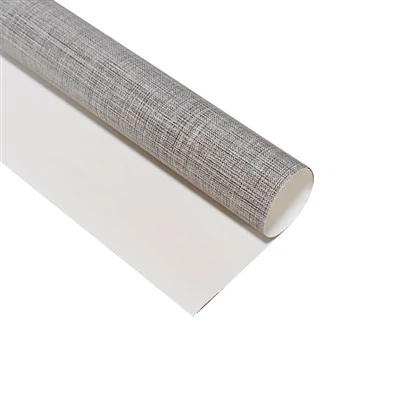
Veneered plywood is a versatile and widely used material in various industries, and one question that often arises is whether it can be used for musical instruments. As a veneered plywood supplier, I am here to explore this topic in detail and shed light on the potential of veneered plywood in the world of music.
Properties of Veneered Plywood
Veneered plywood is composed of multiple layers of thin wood veneers glued together with the grain of adjacent layers perpendicular to each other. This construction gives veneered plywood several advantageous properties that make it a candidate for musical instrument applications.
First, veneered plywood offers excellent strength - to - weight ratio. The cross - grain construction distributes stress evenly across the panel, making it more resistant to warping and splitting compared to solid wood. This is crucial for musical instruments, as they need to maintain their shape and structural integrity over time, especially when subjected to changes in temperature and humidity.
Second, the combination of different wood veneers allows for a wide range of acoustic properties. Different types of wood have distinct acoustic characteristics, such as density, stiffness, and damping. By carefully selecting and layering veneers, it is possible to create a plywood with specific acoustic properties that suit the requirements of different musical instruments.
Applications in Musical Instruments
Guitars
Guitars are one of the most common musical instruments where veneered plywood can be used. The back and sides of acoustic guitars are often made from veneered plywood. For example, the Eucalyptus - poplar Semi - integrated Core Multi - ply Board can provide a good balance of strength and acoustic resonance. The multi - layer structure of the plywood can enhance the overall stability of the guitar body, while the choice of veneers can influence the tone and projection of the instrument.
In electric guitars, veneered plywood can be used for the body as well. It offers a cost - effective alternative to solid wood, while still providing a decent level of tone and playability. Some high - end electric guitars also use veneered plywood for aesthetic purposes, such as creating unique grain patterns on the body.
Drums
Veneered plywood is also widely used in drum manufacturing. Drums require a material that can produce a clear and resonant sound. The cross - grain construction of veneered plywood helps to minimize the influence of grain direction on the sound, resulting in a more consistent and predictable tone. Different types of wood veneers can be used to achieve different sonic characteristics. For instance, a drum made with a New Zealand Pine Eco - Friendly Board may have a warm and mellow tone, while a drum made with a different combination of veneers can produce a brighter and more cutting sound.


Other Instruments
Veneered plywood can also be used in the construction of other musical instruments, such as violins, cellos, and wind instruments. In stringed instruments, it can be used for the back, sides, and sometimes the top of the instrument. For wind instruments, it can be used for the body or certain components. The ability to control the acoustic properties of veneered plywood through the selection of veneers and the construction process makes it a viable option for a wide range of musical applications.
Advantages of Using Veneered Plywood in Musical Instruments
Cost - effectiveness
One of the main advantages of using veneered plywood in musical instruments is its cost - effectiveness. Solid wood can be expensive, especially high - quality and rare woods. Veneered plywood allows manufacturers to achieve a similar aesthetic and acoustic performance at a lower cost. This makes musical instruments more accessible to a wider range of musicians, from beginners to professionals.
Sustainability
Veneered plywood can be a more sustainable option compared to solid wood. By using thin veneers, less wood is required to produce a panel of the same size. Additionally, many veneered plywood products are made from fast - growing and renewable wood species, such as New Zealand pine. This helps to reduce the pressure on natural forests and promotes sustainable forestry practices.
Design Flexibility
Veneered plywood offers greater design flexibility compared to solid wood. It can be easily cut, shaped, and laminated to create complex and unique designs. This allows instrument makers to experiment with different shapes and sizes, which can have an impact on the sound and appearance of the instrument.
Considerations and Limitations
While veneered plywood has many advantages for musical instrument applications, there are also some considerations and limitations.
One of the main concerns is the potential for delamination. If the glue used to bond the veneers is of poor quality or if the plywood is exposed to extreme conditions, the veneers may separate from each other. This can affect the structural integrity and acoustic performance of the instrument. Therefore, it is important to choose high - quality veneered plywood and ensure proper storage and handling.
Another consideration is the perception of some musicians. Some traditionalists may prefer solid wood instruments, believing that they offer a more authentic and superior sound. However, with advancements in technology and the quality of veneered plywood, the gap in sound quality between solid wood and veneered plywood instruments is becoming smaller.
Conclusion
In conclusion, veneered plywood can indeed be used for musical instruments. Its unique properties, such as strength - to - weight ratio, acoustic flexibility, cost - effectiveness, and sustainability, make it a viable option for a wide range of musical applications. Whether you are a guitar maker, a drum manufacturer, or a musician looking for an affordable and high - quality instrument, veneered plywood is worth considering.
As a veneered plywood supplier, we offer a variety of products that are suitable for musical instrument applications, including the Fire Retardant Wall Board, New Zealand Pine Eco - Friendly Board, and Eucalyptus - poplar Semi - integrated Core Multi - ply Board. If you are interested in using veneered plywood for your musical instrument projects, we would be more than happy to discuss your requirements and provide you with the best solutions. Contact us today to start a procurement discussion and explore the possibilities of veneered plywood in the world of music.
References
- Campbell, M., & Greated, C. A. (1987). The Musician's Guide to Acoustics. Schirmer Books.
- Rossing, T. D., Moore, P. A., & Wheeler, R. H. (2007). Principles of Vibration and Sound. Springer.