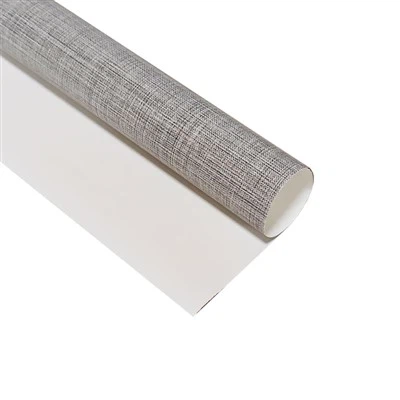
When it comes to interior decoration, warm white decorative paper has always been a popular choice due to its soft and inviting tone. As a supplier of warm white decorative paper, I've encountered numerous customers who are eager to enhance the texture of this paper to create more visually appealing and unique spaces. In this blog, I'll share some effective methods to make warm white decorative paper more textured.
Understanding the Basics of Warm White Decorative Paper
Before we dive into the techniques, it's essential to understand what warm white decorative paper is. Warm white is a color that combines the purity of white with a touch of yellow or beige, creating a cozy and inviting atmosphere. Decorative paper, on the other hand, is a versatile material used for various applications, such as wall coverings, furniture surfaces, and packaging.
Our warm white decorative paper is made from high - quality materials, ensuring durability and a smooth finish. However, to make it stand out, we need to add some texture.
Physical Texturing Techniques
Embossing
Embossing is a classic technique for adding texture to paper. It involves pressing a pattern onto the surface of the paper using a die. The die can have various designs, such as geometric shapes, floral patterns, or even a simple raised grid.
To emboss warm white decorative paper, we first prepare the paper and the die. The die is heated to a specific temperature, and then it is pressed onto the paper with a certain amount of pressure. The heat and pressure cause the paper to take on the shape of the die, creating a three - dimensional texture.


Embossed warm white decorative paper can add a touch of elegance to any space. For example, in a living room, embossed paper on the walls can create a focal point and make the room feel more luxurious. You can find more about different types of decorative papers, including embossed ones, on our HPL Decorative Paper page.
Sanding
Sanding is another effective way to add texture to warm white decorative paper. By using fine - grit sandpaper, we can gently roughen the surface of the paper, creating a slightly grainy texture. This technique works well for creating a rustic or aged look.
When sanding, it's important to be gentle and work in a consistent direction. You can start with a coarser grit sandpaper and then switch to a finer one for a smoother finish. Sanding can be used on both flat and curved surfaces, making it a versatile option for different applications.
Layering
Layering different types of warm white decorative paper can also create a textured effect. For example, you can layer a thin sheet of embossed paper on top of a smooth base paper. The combination of the smooth and textured surfaces adds depth and visual interest.
You can also layer papers with different patterns or colors. For instance, layering a warm white floral - patterned paper over a solid - colored warm white paper can create a unique and eye - catching look. Our Best Solid Color Peel and Stick Wallpaper can be a great base for layering.
Chemical Texturing Techniques
Distressing
Distressing is a technique that involves using chemicals or abrasives to create an aged or worn - out look on the paper. You can use a solution of water and vinegar or a specialized distressing agent.
To distress warm white decorative paper, first, apply the distressing solution to the paper using a brush or a sponge. Then, use a piece of sandpaper or a steel wool to gently rub the surface of the paper. This will remove some of the color and create a weathered effect.
Distressed warm white decorative paper is perfect for creating a vintage or shabby - chic look in a room. It can be used on furniture, cabinets, or even as a wall covering.
Glazing
Glazing is a technique that involves applying a thin layer of glaze over the surface of the paper. The glaze can be transparent or tinted, and it adds a glossy or matte finish to the paper, depending on the type of glaze used.
To apply glaze, first, mix the glaze with a small amount of water to thin it out. Then, use a brush or a roller to apply the glaze evenly over the surface of the paper. Let the glaze dry completely before using the paper.
Glazed warm white decorative paper can add a touch of sophistication to any space. It can be used to highlight certain areas of a room or to create a more cohesive look.
Incorporating Additives
Adding Fibers
Adding fibers to warm white decorative paper can create a unique and textured look. You can use natural fibers such as jute, hemp, or cotton, or synthetic fibers like polyester.
To add fibers, first, mix the fibers with a small amount of glue or adhesive. Then, apply the mixture to the surface of the paper using a brush or a spray gun. Let the mixture dry completely, and you'll have a paper with a fibrous texture.
Fiber - added warm white decorative paper is great for creating a natural and organic look. It can be used in eco - friendly interior designs or in spaces where a more rustic feel is desired.
Using Glitter or Metallic Powders
Glitter and metallic powders can add a touch of sparkle and glamour to warm white decorative paper. You can use fine - glitter or coarse - glitter, depending on the effect you want to achieve.
To apply glitter or metallic powder, first, spread a thin layer of glue or adhesive on the surface of the paper. Then, sprinkle the glitter or metallic powder over the glue. Shake off any excess powder, and let the glue dry.
Glitter - or metallic - powder - added warm white decorative paper is perfect for creating a festive or luxurious look. It can be used in party decorations, event spaces, or in areas where you want to make a statement.
Application Considerations
When applying textured warm white decorative paper, it's important to consider the surface you're applying it to. Make sure the surface is clean, dry, and smooth. If the surface is rough or uneven, it may affect the appearance of the paper.
Also, when using adhesives, choose a high - quality adhesive that is suitable for the type of paper and the surface. Follow the manufacturer's instructions carefully to ensure a proper application.
Conclusion
Making warm white decorative paper more textured is a creative and rewarding process. By using physical and chemical texturing techniques, incorporating additives, and considering application factors, you can transform ordinary warm white decorative paper into a unique and eye - catching material.
If you're interested in purchasing our warm white decorative paper or have any questions about texture enhancement, we welcome you to contact us for a procurement discussion. We're committed to providing high - quality products and professional services to meet your interior decoration needs.
References
- "Decorative Paper: A Comprehensive Guide" by Interior Design Institute
- "Texturing Techniques for Paper and Cardboard" by Crafting Magazine