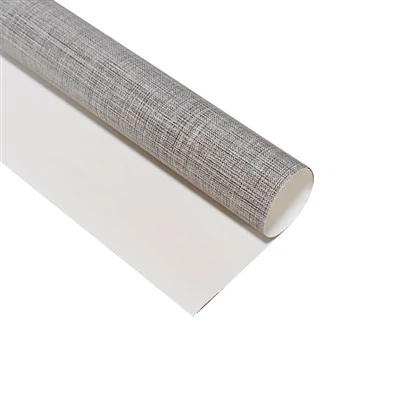
Low density boards are a versatile and widely used material in various industries, from construction to furniture manufacturing. As a supplier of low density boards, I am often asked about the density ranges of these boards and how they impact their performance and applications. In this blog post, I will delve into the density ranges of low density boards, explore their characteristics, and discuss their suitability for different projects.
Understanding Density in Low Density Boards
Density is a crucial factor when it comes to low density boards. It refers to the mass of the board per unit volume, typically measured in kilograms per cubic meter (kg/m³). The density of a low density board can significantly influence its strength, durability, and insulation properties. Generally, low density boards have a density range that is lower compared to medium or high density boards.
Density Ranges of Low Density Boards
The density ranges of low density boards can vary depending on the manufacturing process, raw materials used, and the intended application. However, a common density range for low density boards is between 100 kg/m³ and 400 kg/m³.
- 100 - 200 kg/m³: Boards in this density range are extremely lightweight and are often used for applications where weight is a critical factor. They are commonly used in packaging, insulation, and some types of lightweight furniture. These boards are easy to handle and can be cut and shaped with relative ease. For example, in the packaging industry, low density boards can be used to create protective inserts for fragile items, providing cushioning while keeping the overall weight of the package low.
- 200 - 300 kg/m³: Boards in this range offer a good balance between weight and strength. They are suitable for a wide range of applications, including interior wall partitions, ceiling panels, and some types of furniture. These boards have better structural integrity compared to the lower density boards and can support moderate loads. For instance, in a home renovation project, low density boards in this range can be used to create false ceilings or room dividers.
- 300 - 400 kg/m³: Boards with a density in this range are relatively denser and stronger. They are often used in applications where more strength and durability are required, such as in the construction of cabinets, shelves, and some types of flooring. These boards can withstand higher loads and are more resistant to wear and tear. For example, in a commercial kitchen, low density boards in this range can be used to construct cabinetry that needs to support heavy equipment and supplies.
Factors Affecting the Density of Low Density Boards
Several factors can influence the density of low density boards:


- Raw Materials: The type of raw materials used in the manufacturing process plays a significant role in determining the density of the board. For example, boards made from wood fibers or recycled materials may have different densities depending on the quality and composition of the raw materials.
- Manufacturing Process: The manufacturing process, including the pressure applied during pressing and the amount of adhesive used, can also affect the density of the board. Higher pressure and more adhesive can result in a denser board.
- Additives and Fillers: The addition of additives and fillers can also impact the density of the board. For example, the use of lightweight fillers can reduce the overall density of the board, while the addition of certain additives can increase its strength and density.
Applications of Low Density Boards
Low density boards have a wide range of applications due to their unique properties:
- Furniture Manufacturing: Low density boards are commonly used in the manufacturing of furniture, such as cabinets, tables, and chairs. Their lightweight nature makes them easy to handle and transport, while their relatively low cost makes them an attractive option for furniture manufacturers. For example, Melamine Particle Board Sheets are a type of low density board that is often used in furniture construction due to their smooth surface and durability.
- Construction: In the construction industry, low density boards are used for interior wall partitions, ceiling panels, and insulation. Their lightweight nature makes them easy to install, and their insulation properties can help to reduce energy consumption. For instance, New Zealand Pine Eco-Friendly Board is a popular choice for construction applications due to its sustainable nature and good insulation properties.
- Packaging: Low density boards are also used in the packaging industry to create protective inserts for fragile items. Their lightweight and cushioning properties make them ideal for protecting products during transportation.
- Sound Insulation: Due to their low density, these boards can also be used for sound insulation purposes. They can help to reduce noise transmission between rooms, making them a popular choice for home theaters, recording studios, and other noise-sensitive environments.
Comparing Low Density Boards with Other Types of Boards
When considering low density boards, it is important to compare them with other types of boards, such as high density fiberboard (HDF) and medium density fiberboard (MDF).
- High Density Fiberboard (HDF): High Density Fiberboard Sheets have a higher density compared to low density boards, typically ranging from 800 kg/m³ to 1000 kg/m³. They are stronger and more durable, making them suitable for applications where high strength and stability are required, such as in the construction of flooring and furniture. However, they are also heavier and more expensive than low density boards.
- Medium Density Fiberboard (MDF): MDF has a density range between low density boards and high density fiberboard, typically ranging from 500 kg/m³ to 800 kg/m³. It offers a good balance between strength and cost, making it a popular choice for a wide range of applications, including furniture, cabinetry, and interior decoration.
Choosing the Right Low Density Board for Your Project
When choosing a low density board for your project, it is important to consider the following factors:
- Density: As discussed earlier, the density of the board will determine its strength, durability, and insulation properties. Choose a board with a density that is suitable for your specific application.
- Quality: Look for boards that are made from high-quality raw materials and have been manufactured using a reliable process. This will ensure that the board has the desired properties and performance.
- Cost: Low density boards are generally more affordable compared to high density boards. However, the cost can vary depending on the quality and brand of the board. Consider your budget when choosing a board.
- Environmental Impact: If environmental sustainability is important to you, look for boards that are made from recycled materials or have been certified as eco-friendly.
Conclusion
Low density boards offer a wide range of benefits, including lightweight, affordability, and versatility. Their density ranges can vary depending on the manufacturing process and raw materials used, and they are suitable for a variety of applications, from furniture manufacturing to construction. As a supplier of low density boards, I am committed to providing high-quality products that meet the needs of my customers. If you are interested in learning more about our low density boards or have any questions about their density ranges and applications, please feel free to contact us for a procurement discussion. We look forward to working with you on your next project.
References
- Wood-Based Panels: A Guide to Their Properties and Uses. Forest Products Laboratory.
- Handbook of Wood Chemistry and Wood Composites. Edited by R. Rowell.