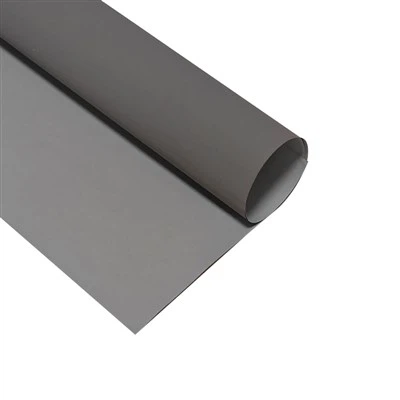
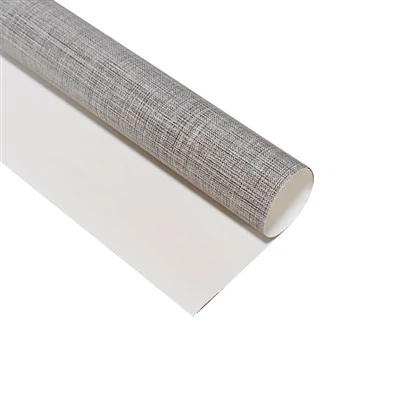
When it comes to hospital environments, every material used must meet strict requirements to ensure the well - being of patients, staff, and visitors. As a supplier of Engineered Veneer Long Strips, I understand the importance of these materials meeting specific criteria for hospital use. In this blog, I will delve into the key requirements that engineered veneer long strips need to fulfill for a hospital setting.
1. Hygiene and Cleanliness
Hospitals are places where the risk of infection is high. Therefore, engineered veneer long strips must be resistant to the growth of bacteria, fungi, and other pathogens. They should be easy to clean and disinfect without being damaged by common cleaning agents used in hospitals.
The surface of the engineered veneer should be smooth and non - porous. A non - porous surface prevents the accumulation of dirt, dust, and microorganisms. For example, if the veneer has small crevices or pores, bacteria can hide in these areas and be difficult to remove. Regular cleaning with disinfectants such as alcohol - based solutions or bleach should not cause the veneer to warp, discolor, or lose its structural integrity.
Some engineered veneers can be treated with antimicrobial agents during the manufacturing process. These agents can help inhibit the growth of bacteria and fungi, providing an extra layer of protection in a hospital environment.
2. Durability
Hospitals are high - traffic areas. Engineered veneer long strips need to withstand constant use, including impacts, abrasions, and wear. They should be able to resist scratches from wheelchairs, beds, and medical equipment.
The veneer should have a high - quality finish that can protect it from daily wear and tear. A hard - wearing surface coating can enhance the durability of the veneer. For instance, a polyurethane finish can provide a tough, protective layer that is resistant to scratches and abrasions.
In addition, the engineered veneer should be able to withstand changes in temperature and humidity. Hospitals often have strict temperature and humidity control systems, but there may still be some fluctuations. The veneer should not warp, crack, or delaminate under these conditions.
3. Fire Resistance
Fire safety is of utmost importance in hospitals. Engineered veneer long strips must meet fire - safety standards. They should have a low flammability rating to prevent the spread of fire in case of an emergency.
Many countries and regions have specific fire - safety regulations for building materials used in hospitals. The veneer should be tested and certified to meet these standards. For example, it may need to pass tests such as the ASTM E84 test, which measures the surface burning characteristics of building materials.
Some engineered veneers can be treated with fire - retardant chemicals during the manufacturing process. These chemicals can slow down the spread of fire and reduce the amount of smoke produced in case of a fire.
4. Aesthetics
While functionality is crucial, aesthetics also play an important role in a hospital environment. Engineered veneer long strips can contribute to creating a warm, inviting, and comfortable atmosphere for patients and staff.
The veneer should be available in a variety of colors and patterns to match the hospital's interior design. For example, natural wood - like patterns can create a calming and homely environment. The color should be fade - resistant, so that it maintains its appearance over time, even with exposure to light.
The veneer should also have a uniform appearance. Any visible defects, such as knots or discolorations, should be minimal. A high - quality finish can enhance the overall aesthetic appeal of the veneer.
5. Environmental Sustainability
In today's world, environmental sustainability is a growing concern. Engineered veneer long strips should be made from sustainable materials. The wood used in the veneer should come from well - managed forests.
The manufacturing process should also be environmentally friendly. This may include using low - VOC (volatile organic compounds) adhesives and finishes. Low - VOC products are less harmful to the environment and can also improve indoor air quality in hospitals.
Certifications such as the Forest Stewardship Council (FSC) can indicate that the veneer is made from sustainable sources. Using FSC - certified veneer can also help hospitals meet their sustainability goals.


6. Compatibility with Hospital Equipment and Systems
Engineered veneer long strips should be compatible with other hospital equipment and systems. For example, they should not interfere with the operation of electrical systems, such as wiring and sensors.
The veneer should also be able to be installed in a way that is compatible with the hospital's ventilation and air - conditioning systems. It should not block air vents or cause any disruptions to the airflow.
7. Ease of Installation
In a hospital setting, minimizing disruption during installation is crucial. Engineered veneer long strips should be easy to install. They should come with clear installation instructions and be designed in a way that allows for quick and efficient installation.
The installation process should not require specialized tools or a large number of workers. This can help reduce the time and cost of installation, as well as minimize the impact on hospital operations.
8. Cost - Effectiveness
Hospitals often have budget constraints. Engineered veneer long strips should be cost - effective without compromising on quality. They should offer a good balance between price and performance.
When considering the cost, it is important to look at the long - term value. A more expensive veneer that is more durable and requires less maintenance may be a better investment in the long run.
Conclusion
As a supplier of Engineered Veneer Long Strips, I am committed to providing products that meet all the requirements for hospital use. Our Engineered Veneer Large White Strips and Engineered Veneer Sandwich Strips are designed to be hygienic, durable, fire - resistant, aesthetically pleasing, environmentally sustainable, and easy to install.
If you are in the market for engineered veneer long strips for your hospital project, I encourage you to contact us for a detailed discussion. We can provide you with samples, technical specifications, and pricing information. Let's work together to create a safe, comfortable, and beautiful hospital environment.
References
- ASTM International. (n.d.). ASTM E84 - Standard Test Method for Surface Burning Characteristics of Building Materials.
- Forest Stewardship Council. (n.d.). What is FSC?