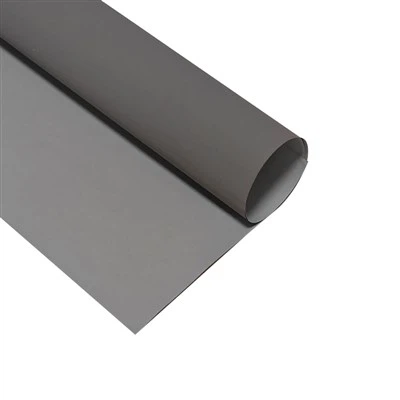
As a supplier of low-density carbon crystal plates, I often encounter questions from customers about the recyclability of our products. In this blog post, I'll explore whether low-density carbon crystal plates can be recycled, delving into the science behind them, potential recycling methods, and the implications for our environment and business.
Understanding Low - density Carbon Crystal Plates
Low - density carbon crystal plates are a relatively new type of building and decorative material. They are characterized by their low density, which makes them lightweight and easy to handle. These plates are made from a combination of carbon crystals and other additives, which give them unique properties such as high strength, good thermal insulation, and excellent fire resistance.
The manufacturing process of low - density carbon crystal plates involves heating and pressing the raw materials under specific conditions. This results in a plate with a uniform structure and consistent quality. The carbon crystals in the plates play a crucial role in determining their performance. They are responsible for the high strength and heat - resistant properties, while the other additives help to improve the overall stability and workability of the plates.
The Case for Recycling Low - density Carbon Crystal Plates
Recycling low - density carbon crystal plates is not only beneficial for the environment but also makes economic sense. From an environmental perspective, recycling reduces the amount of waste sent to landfills. Landfills are a major source of environmental pollution, as they can release harmful chemicals and greenhouse gases into the atmosphere. By recycling these plates, we can conserve natural resources and reduce our carbon footprint.
Economically, recycling can lower the cost of production. Instead of using entirely new raw materials, recycled materials can be incorporated into the manufacturing process. This can lead to significant savings in terms of raw material costs and energy consumption. Additionally, recycling can create new business opportunities in the recycling and waste management sectors.


Challenges in Recycling Low - density Carbon Crystal Plates
Despite the potential benefits, there are several challenges associated with recycling low - density carbon crystal plates. One of the main challenges is the complexity of the material. The combination of carbon crystals and other additives makes it difficult to separate and recover the individual components. This requires advanced recycling technologies and processes, which may not be widely available or cost - effective at present.
Another challenge is the lack of awareness and infrastructure for recycling these plates. Many recycling facilities are not equipped to handle low - density carbon crystal plates, and there is limited information available on the proper recycling methods. This makes it difficult for consumers and businesses to recycle these plates effectively.
Potential Recycling Methods
Although there are challenges, there are also potential recycling methods for low - density carbon crystal plates. One method is mechanical recycling, which involves crushing the plates into small pieces and then re - using them as filler in new products. This can be an effective way to recycle the plates, as it does not require complex chemical processes. However, the quality of the recycled material may be lower than that of the original plates, and it may not be suitable for all applications.
Another potential method is chemical recycling. This involves breaking down the plates into their individual components using chemical processes. The recovered components can then be used to manufacture new products. Chemical recycling can produce high - quality recycled materials, but it requires advanced technology and significant investment.
Comparison with Other Board Materials
To better understand the recyclability of low - density carbon crystal plates, it's useful to compare them with other common board materials. For example, Melamine Particle Board Sheets are widely used in the furniture industry. These boards are made from wood particles and melamine resin. They can be recycled to some extent, but the presence of the resin can make the recycling process more complicated.
Moisture - proof Board is another popular material. It is designed to resist moisture and is often used in areas with high humidity. Recycling moisture - proof boards can be challenging due to the special coatings and treatments used to make them moisture - resistant.
Golden Cedar Eco - Friendly Board is an eco - friendly option. It is made from sustainable materials and is designed to be more easily recyclable. However, the recycling process still requires proper facilities and methods.
The Future of Recycling Low - density Carbon Crystal Plates
The future of recycling low - density carbon crystal plates looks promising. As technology advances, more effective recycling methods are likely to be developed. This will make it easier and more cost - effective to recycle these plates. Additionally, increased awareness of environmental issues and the need for sustainable materials is likely to drive demand for recycling.
To promote the recycling of low - density carbon crystal plates, it is important to invest in research and development. This will help to improve the recycling technologies and processes. It is also essential to educate consumers and businesses about the importance of recycling and provide them with the necessary information and resources.
Conclusion and Call to Action
In conclusion, while there are challenges in recycling low - density carbon crystal plates, it is possible. Recycling these plates can have significant environmental and economic benefits. As a supplier, I am committed to promoting the recycling of our products and working towards a more sustainable future.
If you are interested in purchasing low - density carbon crystal plates or have any questions about their recyclability, please feel free to contact us for more information. We are happy to discuss your needs and provide you with the best solutions.
References
- Smith, J. (2020). Sustainable Building Materials: A Review. Journal of Environmental Science and Technology, 15(2), 123 - 135.
- Johnson, A. (2019). Recycling Technologies for Composite Materials. International Journal of Recycling and Waste Management, 8(3), 201 - 210.
- Brown, C. (2021). The Future of Recycling in the Construction Industry. Construction Management Journal, 22(4), 345 - 356.