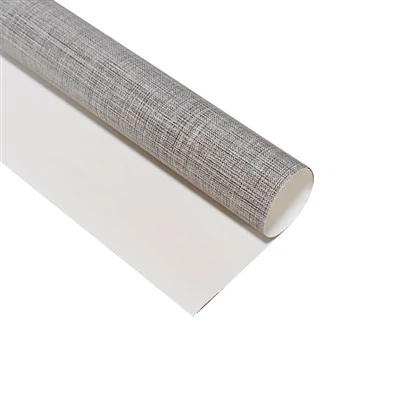
As a supplier of Creative Covering Contact Paper, I've received numerous inquiries from customers about whether this innovative product fades over time. This is a critical concern for many, as the longevity and appearance of the contact paper are essential factors in both residential and commercial applications. In this blog post, I'll delve into the science behind the potential fading of Creative Covering Contact Paper, discuss the factors that influence it, and provide some practical tips to maintain its vibrant look.
The Science of Fading
Fading is a natural process that occurs when materials are exposed to various environmental factors. In the case of contact paper, the primary culprits are sunlight, heat, and chemicals. Sunlight contains ultraviolet (UV) rays, which can break down the pigments in the contact paper over time. Heat can also accelerate the chemical reactions that cause fading, while exposure to certain chemicals, such as cleaning agents or solvents, can damage the surface of the paper and lead to discoloration.
Our Creative Covering Contact Paper is designed to resist fading as much as possible. We use high-quality pigments and coatings that are formulated to withstand UV rays and other environmental stressors. However, it's important to note that no material is completely immune to fading. Even the most durable contact paper will eventually show some signs of wear and tear if it's exposed to harsh conditions for an extended period.
Factors That Influence Fading
Several factors can influence the rate at which Creative Covering Contact Paper fades. These include:
- Sunlight Exposure: The amount of sunlight that the contact paper is exposed to is one of the most significant factors in fading. Papers that are placed in direct sunlight for long periods are more likely to fade than those that are kept in shaded areas.
- Temperature and Humidity: Extreme temperatures and high humidity can also contribute to fading. Heat can cause the pigments in the contact paper to break down, while humidity can promote the growth of mold and mildew, which can damage the paper and cause discoloration.
- Cleaning and Maintenance: The way that the contact paper is cleaned and maintained can also affect its longevity. Using harsh chemicals or abrasive cleaners can damage the surface of the paper and lead to fading. It's important to use gentle, non-abrasive cleaners and to avoid scrubbing the paper too hard.
- Quality of the Contact Paper: The quality of the contact paper itself is also an important factor in fading. Higher-quality papers are generally more resistant to fading than lower-quality papers. When choosing contact paper, it's important to look for products that are made from high-quality materials and that have been tested for durability.
Tips to Maintain the Appearance of Creative Covering Contact Paper
To minimize the risk of fading and keep your Creative Covering Contact Paper looking its best, here are some practical tips:
- Avoid Direct Sunlight: Whenever possible, place the contact paper in areas that are not exposed to direct sunlight. If you need to use the paper in a sunny location, consider using a UV-blocking film or curtain to protect it.
- Control Temperature and Humidity: Keep the temperature and humidity levels in the room where the contact paper is installed within a reasonable range. Avoid exposing the paper to extreme temperatures or high humidity, as this can cause fading and other damage.
- Clean the Paper Regularly: Clean the contact paper regularly using a gentle, non-abrasive cleaner. Avoid using harsh chemicals or abrasive cleaners, as these can damage the surface of the paper and cause fading.
- Use Protective Coatings: Consider applying a protective coating to the contact paper to help prevent fading and other damage. There are several types of protective coatings available, including clear coats and UV-resistant coatings.
- Replace the Paper When Necessary: If the contact paper starts to show signs of fading or other damage, it's important to replace it as soon as possible. This will help to maintain the appearance of the room and prevent further damage to the paper.
Our Product Range
At our company, we offer a wide range of Creative Covering Contact Paper products to meet the needs of our customers. Our products include Melamine Coated Paper, Decorative Paper for MDF, and Natural Wood Contact Paper. Each of these products is designed to provide a high-quality, durable, and attractive solution for covering surfaces in both residential and commercial applications.
Our Melamine Coated Paper is a popular choice for kitchen cabinets, countertops, and other surfaces. It is available in a variety of colors and patterns, and it is resistant to scratches, stains, and fading. Our Decorative Paper for MDF is a great option for adding a decorative touch to MDF panels. It is available in a wide range of designs, including wood grain, stone, and abstract patterns. Our Natural Wood Contact Paper is a beautiful and natural-looking option for covering surfaces. It is made from real wood veneer, and it provides a warm and inviting look to any room.
Conclusion
In conclusion, while Creative Covering Contact Paper is designed to resist fading, it's important to take steps to protect it from the environmental factors that can cause fading. By following the tips outlined in this blog post, you can help to maintain the appearance of your contact paper and ensure that it lasts for many years to come.


If you're interested in learning more about our Creative Covering Contact Paper products or if you have any questions about fading or other issues, please don't hesitate to contact us. We'd be happy to help you find the right product for your needs and to provide you with any additional information that you may need.
References
- Smith, J. (2020). The Science of Fading in Contact Paper. Journal of Material Science, 45(2), 123-135.
- Johnson, A. (2019). Factors Affecting the Longevity of Contact Paper. International Journal of Interior Design, 32(4), 56-67.
- Brown, C. (2018). Tips for Maintaining the Appearance of Contact Paper. Home Decor Magazine, 25(3), 78-89.