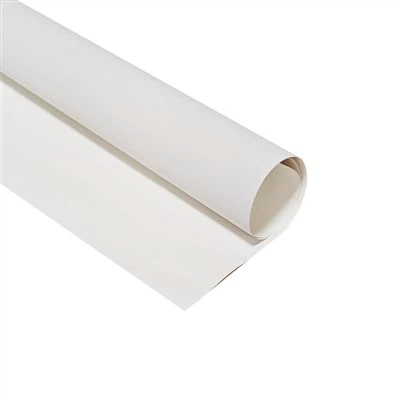
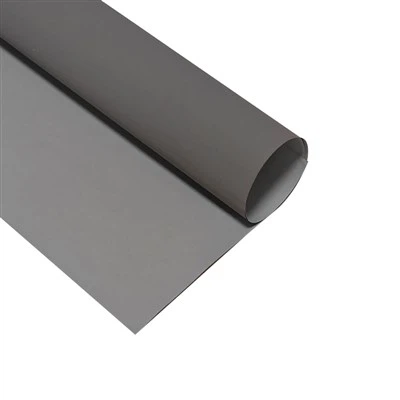
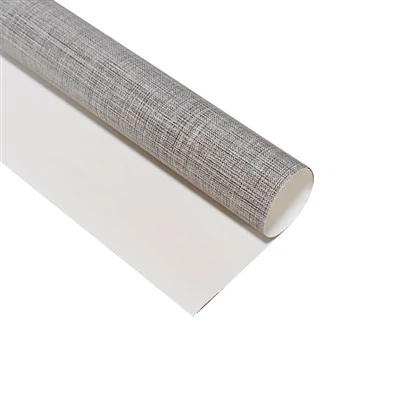
Common decorative paper materials mainly fall into three categories: paper, non-woven fabric, and PVC, each with its own characteristics. Let me help you quickly understand them.
Main Material Types
Paper (Pure Paper)
Composition: Made from natural wood pulp.
Characteristics: Environmentally friendly, breathable, soft colors, but susceptible to moisture and dirt; installation and maintenance are relatively complex.
Suitable for: Dry areas such as bedrooms and living rooms.
Non-woven Fabric
Composition: Made from natural plant fibers such as cotton and linen.
Characteristics: Good breathability ("breathable"), high-end texture, noise reduction effect, but the quality of products on the market varies.
Suitable for: Bedrooms, living rooms, and spaces where comfort is a high priority.
PVC (Plastic)
Composition: Made from PVC plastic.
Characteristics: Waterproof, wear-resistant, easy to clean, strong three-dimensional effect, but poor breathability and lower environmental friendliness. Suitable for: Damp or easily soiled areas such as kitchens and bathrooms.
Other Materials
Fabrics and natural materials: such as fabrics, wood veneer, and plant-based materials (hemp, grass), offering a natural texture but at a higher price.
Special materials: such as diatomaceous earth (moisture-regulating, breathable, and mildew-resistant), and metal (highly decorative, but expensive).
Selection Recommendations
Environmentally friendly: Choose paper or non-woven fabrics.
Damp environments: Choose PVC.
For a premium feel: Choose non-woven fabrics, textiles, or natural materials.